Munich: A Tapestry of Jewish Heritage
Nestled in the heart of Bavaria, Munich is a city steeped in history, culture, and diversity. Interwoven into its vibrant urban fabric is a rich Jewish heritage, reflecting centuries of resilience, creativity, and enduring tradition. From the bustling streets of the Altstadt to the tranquil corners of its historic Jewish quarters, Munich’s Jewish legacy has left an indelible mark on the city, shaping its art, commerce, and intellectual life. Despite the hardships of persecution and upheaval, the community’s contributions continue to echo through the cityscape. Every cobblestone tells a story, and every synagogue resonates with the voices of generations past.



At the heart of this heritage lies the Jewish Museum Munich, constructed between 2004 and 2007 on the site of a synagogue destroyed by the Nazis. Located near the Ohel Jakob Synagogue and the Jewish Community Center, the museum serves as the cultural and educational hub for the Jewish community of Munich and Upper Bavaria.
More than a museum, its walls house a vibrant community life: a public elementary school, kindergarten, youth center, community auditorium, and the kosher restaurant Einstein. Unlike traditional art museums or Holocaust memorials, the Jewish Museum Munich emphasizes public education, engagement, and the dispelling of stereotypes surrounding Jewish culture.
Adjacent to the museum, the Ohel Jakob Synagogue, completed between 2004 and 2006, stands as an architectural and spiritual centerpiece. Its design draws inspiration from the Wailing Wall and the “Ohel” tent used by the Israelites during their desert journey, paying homage to Jewish history and tradition. Nestled within Sankt-Jakobs-Platz, the synagogue’s main entrance features Hebrew inscriptions of the Ten Commandments, meticulously crafted in Budapest, and serves as a powerful symbol of Munich’s enduring Jewish community.

The Nazi Documentation Center in Munich offers a compelling and deeply informative exhibition exploring the rise of the Third Reich and the city’s pivotal role during this turbulent period. Utilizing cutting-edge technology and detailed audio guides, visitors are drawn into a carefully curated, immersive journey through history, gaining insight into the social, political, and cultural forces that shaped the era.
For an equally memorable culinary experience, Eclipse Grill Bar is a standout choice in Munich. This authentic Israeli and Mediterranean restaurant delights diners with succulent grilled meats and fresh fish, complemented by a vibrant array of traditional Israeli salads, including classics like hummus, tahini, and tomato. With its flavorful dishes and warm atmosphere, Eclipse Grill Bar offers a taste of the Mediterranean right in the heart of Munich.
Erfurt’s Treasures: Unveiling the Medieval Jewish Legacy
Erfurt, one of Germany’s most captivating medieval cities, has survived the ravages of history remarkably intact, emerging from World War II with much of its architectural heritage preserved. Among its many treasures lies a profound Jewish legacy, offering visitors a rare glimpse into centuries of spiritual, cultural, and communal life.
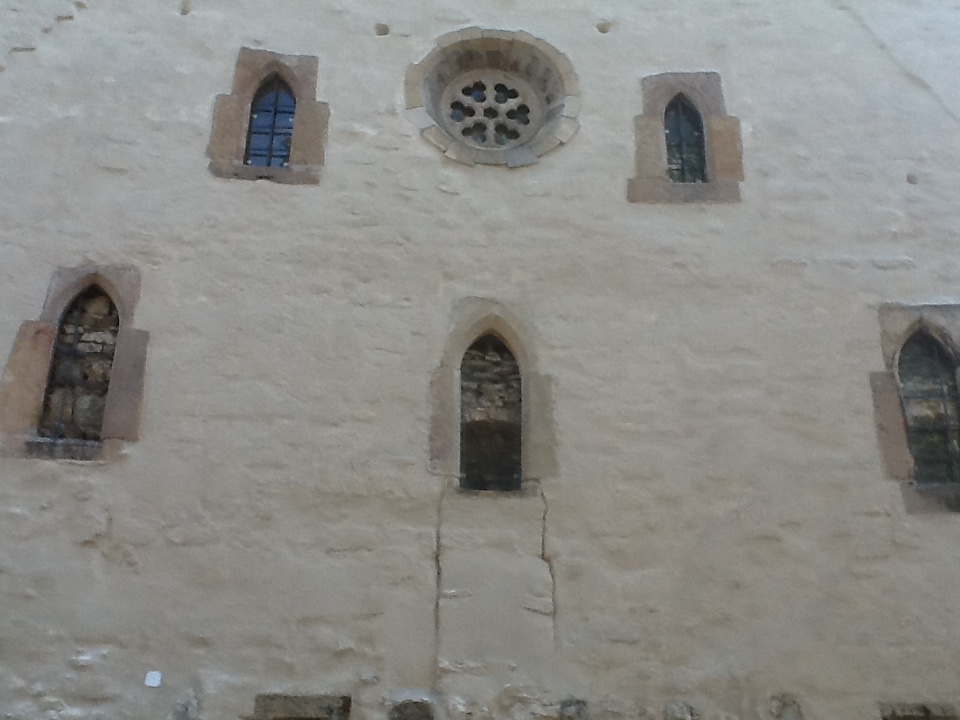
At the heart of this heritage is the Old Synagogue, whose origins date back to around 1100, making it not only the oldest in Erfurt but also one of the most carefully preserved medieval synagogues in Central Europe. Adjacent to it lies the Mikveh, a Jewish ritual bath believed to have been constructed around 1250, which reflects the enduring religious practices of the city’s medieval Jewish community.
Beneath the synagogue, the remarkably preserved basement shelters the famed Erfurt Treasure—a dazzling collection of over 60 pounds of gold, silver, and precious gems once belonging to a prosperous local Jew. Among these treasures, a delicately crafted golden wedding ring from the early 14th century, inscribed with the Hebrew word “Mazaltov”, offers a deeply personal connection to the individuals who lived here centuries ago.
Beyond the treasures themselves, the Old Synagogue stands as a testament to the resilience of Jewish life in Erfurt. In a region where much of the medieval Jewish architecture has been lost, it remains a singularly meticulous example of preservation, allowing visitors to experience firsthand the cultural and spiritual vitality of a bygone era. Walking through its ancient halls is to step into a living narrative of faith, community, and continuity, bridging the past with the present in a way few other sites can.
Berlin: What to See
The Jewish Museum
Berlin is home to countless iconic attractions, but few rival the significance and impact of the Jewish Museum, inaugurated in 2001 and recognized as one of Europe’s largest and most important institutions dedicated to Jewish history. Inside, visitors encounter a compelling narrative that spans two millennia of German-Jewish life, conveyed through a dynamic mix of permanent exhibits and rotating temporary displays.
The museum’s architectural design, conceived by Daniel Libeskind, is a masterpiece. Its sharp angles, voids, and fragmented spaces are not only visually striking but also emotionally evocative, guiding visitors into a thoughtful and immersive experience. The layout includes three distinct corridors, each exploring a central theme: the Holocaust, Jewish exile, and Jewish continuity. Each corridor concludes in a specially designed “garden, a space meant to evoke reflection and emotional resonance. Complementing Libeskind’s contemporary design, a traditional museum wing carefully traces the detailed history of the Jewish people, offering context and continuity alongside the modern architectural statements.
Holocaust Memorial
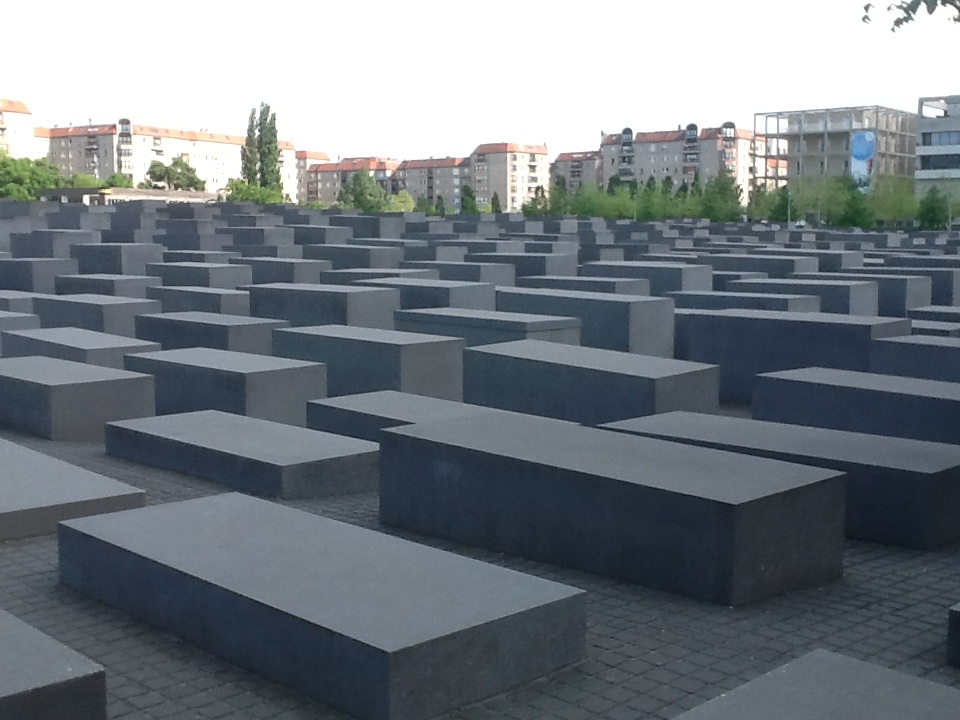
Just steps away from the Jewish Museum stands the Holocaust Memorial, formally known as the Memorial to the Murdered Jews of Europe. This solemn site honors approximately three million Jewish victims, with names drawn from Israel’s Yad Vashem Museum, through the “Place of Information” located beneath the main memorial field.
Walking through the memorial is a deeply moving experience. The site consists of hundreds of concrete blocks, or stelae, arranged in a grid pattern. At the edges, the blocks are relatively low, but as visitors progress inward, they gradually increase in height, creating a sense of constriction and contemplation. The deliberate variation in scale evokes both disorientation and reflection, encouraging visitors to meditate on the enormity of the tragedy while engaging with the memorial physically and emotionally. The design’s subtle yet profound symbolism leaves a lasting impression, blending architectural ingenuity with the weight of historical memory.
The New Synagogue
The New Synagogue in Berlin is a striking architectural and historical landmark, constructed between 1859 and 1866 to serve as the main synagogue for the city’s Jewish community. Its eastern Moorish style, inspired by the grandeur of the Alhambra, stands out as one of the most significant examples of 19th-century synagogue architecture in Berlin.
Despite enduring the devastation of Kristallnacht and suffering extensive damage during World War II, much of the original structure was destroyed. Today, the synagogue’s facade, entrance, dome, and towers have been meticulously reconstructed, preserving a tangible link to its storied past and allowing visitors to appreciate its historical and cultural significance.
Inside, the museum portion offers a vivid glimpse into the synagogue’s former grandeur, immersing visitors in the life of the thriving Jewish community that once filled its halls. The New Synagogue’s expansive golden dome, ornate minarets, and intricate detailing convey the majesty of the original structure, which could accommodate roughly 3,000 worshippers, making it the largest synagogue in Germany at the time. Today, it stands not only as a place of remembrance but also as a testament to resilience, architectural beauty, and the enduring legacy of Berlin’s Jewish community.

For travelers seeking kosher dining in Berlin, Bleiberg is an exceptional choice. This Glatt kosher restaurant offers a wide-ranging menu that caters to both dairy and meat preferences, featuring fresh salads, hearty sandwiches, and flavorful entrees. Complement your meal with a carefully selected wine or beer, enhancing the dining experience. Whether you’re craving fish, pizza, or pasta, Bleiberg delivers satisfying options for every palate. The restaurant also comes alive with live music, including lively Klezmer performances and other favorites, creating a warm and vibrant atmosphere that makes every visit memorable.
“Resilience Amid Tragedy: The Rebirth of Berlin’s Old Jewish Cemetery”
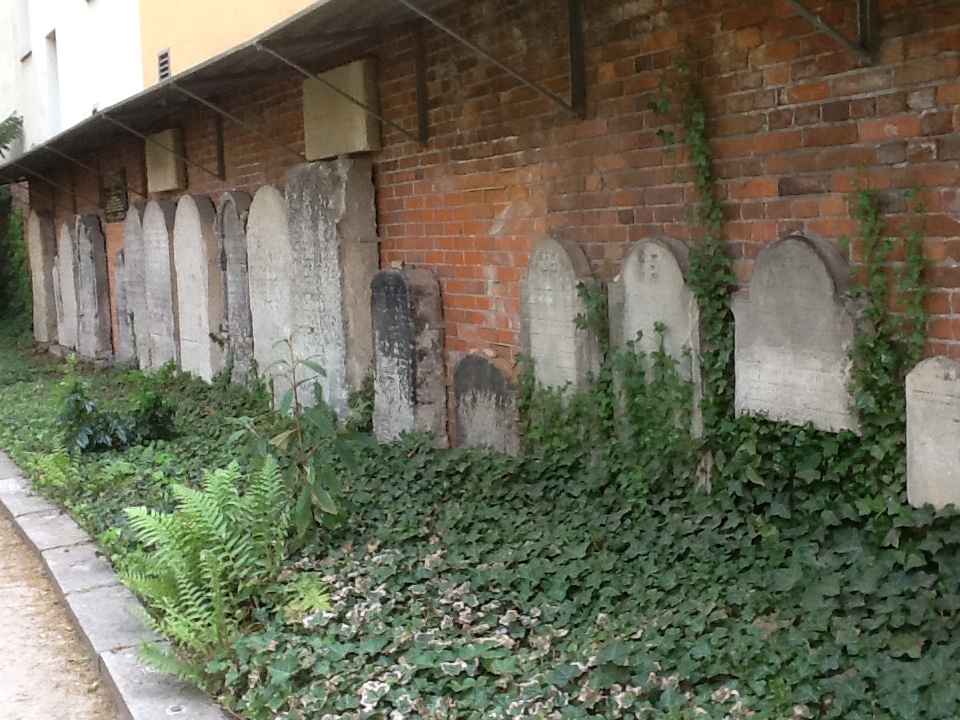
Situated on Grosse Hamburger Strasse, the Old Jewish Cemetery holds profound historical significance as the oldest burial ground for Berlin’s Jewish community. Established in 1672, it is the resting place of Moses Mendelssohn (1729–1786), a renowned philosopher and key figure in the Jewish Enlightenment movement. Despite facing destruction during World War II and being used as a temporary holding location for Jews before deportation to concentration camps, the cemetery was thankfully officially reopened in late 2008. It is estimated that approximately 12,000 Jewish citizens found eternal rest here, serving as a poignant testament to Berlin’s rich Jewish heritage.