Nestled between the shimmering waters of Lake Lugano and the dramatic peaks of the Alps, Lugano effortlessly blends Italianate charm with Swiss precision. With its elegant piazzas, boutique-lined streets, lush parks, and vibrant cultural scene, the city attracts travelers from around the world seeking beauty, history, and leisure. Beyond its postcard-perfect scenery, Lugano also holds a rich cultural heritage, including a Jewish community with over a century of history, adding a layer of tradition, resilience, and local character to explore alongside its lakeside panoramas and alpine vistas.



A Brief History of Jewish Lugano
The Jewish story in Lugano began in the early 20th century. Between 1910 and 1920, the first Jewish families arrived, seeking refuge from the upheavals of Eastern Europe. These early settlers engaged in street trading and small-scale commerce, particularly clothing, laying the foundation for a growing community. “The community grew rapidly, reaching a population of about 400,” recalls Sabrina Papale-D’Agostino, a local tour guide and historian, citing Lugano, la bella sconosciuta by Jonas Marti.
The first synagogue was modest—a basement on Via Nassa—before services moved to a room on the Chiattone steps. The community ultimately settled at the current synagogue on Via Carlo Maderno 11, which remains a central pillar of Jewish life in Lugano. In 1960, the community opened its own school, recognized by the canton, allowing Jewish education and traditions to flourish locally.
During World War II, Lugano became a vital threshold for Jewish refugees escaping Fascist Italy. The city was a discreet stage for spies and diplomats meeting above cafés and, later, a place where Jewish life began to reestablish itself after the devastation of the war. This era left an indelible imprint on Lugano’s cultural memory, shaping the character of the community in the decades that followed.
Demographic shifts and migration over time affected the Jewish community. Many Orthodox families moved to Israel or to larger Jewish centers like Zurich, seeking broader communal networks. Yet despite these changes, Lugano’s Jewish population has maintained continuity, preserving heritage and culture through the decades.
Jewish Life in Lugano and Ticino Today
Lugano’s Jewish community today is small, close-knit, and remarkably vibrant. Local families form its core, enriched by residents from Israel, the United States, France, and a handful of expatriates drawn to the region’s peaceful lifestyle and stunning alpine-lake setting. While the community is not growing rapidly—mirroring patterns seen in other smaller Swiss Jewish centers—it remains active, welcoming, and deeply rooted in the cultural life of Lugano and the wider Ticino region.
David Kletz, who relocated from Paris for a two-year assignment with an AI company and a teaching position at the University, shared his impressions with the New York Jewish Travel Guide. He estimates the community at around 25 families, a mix of longtime residents, expatriates, and seasonal visitors. Most members speak Italian and English, with several also fluent in French and Hebrew, reflecting the multilingual character of the region.

Sabrina Papale-D’Agostino, a cultural guide with guideSI, highlights Lugano’s welcoming spirit: “Lugano is a multiethnic city; people are open-minded and respectful toward other communities and religions.” David added that the Jewish community is woven naturally into everyday life in Lugano and across Ticino, even if only a handful of Jewish residents live beyond the city limits. Most social connections are formed through the synagogue and occasional communal gatherings, including Torah classes organized by Chabad and holiday celebrations. Many visitors arrive for tourism or to spend Shabbat while traveling through Northern Italy, particularly Milan and the Lakes.
Religious life in Lugano is structured yet flexible. The synagogue and Chabad offer weekday Shacharit and Mincha/Ma’ariv, Shabbat services, and the full cycle of major Jewish festivals, from Rosh Hashanah and Yom Kippur to Sukkot, Chanukah, Purim, and Passover. While Lugano does not have its own distinctive Jewish customs, many community members share Italian cultural influences that add warmth and familiarity to local traditions.
When it comes to security, David notes that while the community remains vigilant, it generally feels safe: ‘Personally, I feel the situation is much better in Lugano than in other big cities in Europe.’”
Kosher options in Lugano are modest but manageable. Local supermarkets offer a small selection of essentials, while Milan—just an hour away—provides a far wider range for those who need it. The Chabad center also assists residents and visitors with obtaining supplies when necessary. However, there are currently no kosher restaurants or hotels in Lugano.
The Comunità Israelita Lugano & Chabad
The heart of Jewish life in Lugano is the Comunità Israelita Lugano, situated in a former private villa that has been transformed into a warm, inviting synagogue and community center. Closely connected with Chabad of Lugano, the shul embodies the city’s enduring Jewish spirit and its tradition of hospitality toward visitors.
Weekday services are limited—most of the year, there is no daily Shacharit, and typically only a Mincha/Ma’ariv minyan on Tuesday evenings. The atmosphere shifts in the summer, when visiting yeshiva bochurim infuse the community with renewed energy and help maintain regular minyanim. Shabbat morning Shacharit usually begins at 9:30 a.m., though visitors are encouraged to confirm the schedule in advance.
A standout feature of Jewish life in Lugano is the renowned Chabad Shabbat dinner. Each week, travelers from around the world gather around a beautifully set table for an evening filled with warmth, spirited singing, divrei Torah, homemade dishes, and genuine camaraderie. As dessert winds down and zemirot rise, the room often bursts into lively song and dance—an experience many describe as the highlight of their time in Lugano.
Preserving Heritage: Landmarks and Memorials
Jewish heritage in Lugano is deeply tied to memory and history. The Noranco Jewish cemetery is particularly poignant. Walking among its gravestones is like traveling through time, with stories of individuals from Berlin, Kiev, Cairo, Sarajevo, and Italy. Renzo Coen, an Italian partisan who sought refuge in Switzerland during World War II, died at age twenty after participating in resistance efforts. Sabrina notes, “The Noranco cemetery is a veritable temple of cosmopolitanism, testimony to the vitality of the Jewish community in Ticino, which was once very prosperous.”
The cemetery honors the dead while reflecting the cosmopolitan nature of Lugano’s Jewish community over the past century. The first grave, dating to 1919, belongs to a Jewish tourist seeking a burial plot for his deceased wife. Today, the cemetery continues to grow, preserving a tangible connection to history.
Other landmarks include the synagogue, Chabad center, and historical walking routes highlighting Jewish contributions to Lugano’s commercial and cultural life. These sites provide spiritual and historical context, enriching visitors’ exploration of the city.
Integration and Cultural Life
Lugano strikes a graceful balance between the intimacy of a small city and the openness of an international destination. Jewish residents are fully integrated into the city’s social and cultural life while maintaining their own religious and communal traditions. Festivals, holiday gatherings, and local events create natural opportunities for connection, fostering mutual respect, understanding, and a strong sense of community across cultures.
At the same time, maintaining certain traditions—such as kosher observance or specific holiday rituals—can be more challenging in a smaller community than in larger Swiss centers like Zurich. To bridge this gap, Lugano often collaborates with Jewish communities in northern Switzerland. As Sabrina explains, “Events are often linked to communities such as Basel, which helps maintain a sense of communal belonging.”
These ties, paired with Lugano’s warm and open character, allow the city to maintain a lively cultural landscape and a supportive home for Jewish life despite its smaller size.
Experiencing Lugano: Sites and Hidden Gems
Lugano offers visitors a wealth of experiences beyond Jewish heritage. Sabrina highlights the city’s must-see attractions:
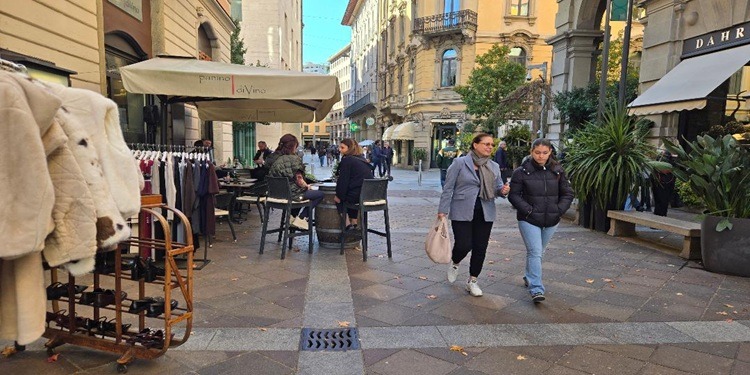
- Historical City Centre: Lively shops, boutiques, and cafés for leisurely exploration.
- Mount San Salvatore and Mount Brè: Panoramic views and scenic hiking trails.
- Gandria and the Gandria Trail: Picturesque lakeside trekking with restaurants and historical architecture.
- Morcote and Ciani Park: Ideal for a summer picnic or lakeside stroll.
- San Michele Park: Offers a serene escape and panoramic views.
- San Grato Park: 200,000 m² with azaleas, rhododendrons, and conifers, paired with breathtaking vistas.

For visitors short on time, Sabrina suggests pairing a stroll through the historic city center with a hike up Mount Brè or San Salvatore, then topping the day with a scenic lake cruise to Gandria or Morcote—offering a perfect snapshot of Lugano’s culture, history, and natural beauty.
Seasonality adds to Lugano’s charm. Spring brings blooming camellias and rhododendrons, while autumn offers colorful forests and lively harvest traditions. Highlights include the July LongLake Festival—celebrating music, theatre, and gastronomy—and the October harvest festivities honoring chestnuts, grapes, and the region’s local spirit.
Looking Ahead: Lugano’s Jewish Community and Timeless Appeal
Despite demographic challenges, Lugano’s Jewish community remains dedicated to preserving its heritage, fostering connections, and welcoming visitors. Chabad Lugano continues to play a vital role in outreach, education, and religious observance, ensuring that Jewish life remains vibrant in this serene lakeside city.
As Sabrina reflects, “Even though I live in Ascona on Lake Maggiore, I always feel Lugano is an elegant, multicultural, and lively city—not only during the tourism season. In my opinion, it is the most Italian city in Switzerland.”
Beyond its Jewish heritage, Lugano captivates travelers with sunlit promenades, vibrant piazzas, Alpine vistas, and a warm, welcoming spirit. Whether enjoying a historic café, strolling hidden trails, or sharing a Shabbat dinner with locals, visitors experience a city that blends sophistication with intimacy. Lugano invites you to explore, connect, and savor moments that linger long after your visit, making it a destination that rewards curiosity, beauty, and cultural discovery alike.
Meyer Harroch is the founder of the New York Jewish Travel Guide, documenting Jewish heritage, life, and culture around the world.
Special thanks to the Swiss Tourism Office and to Divine Bonga for their generous hospitality and commitment to showcasing Switzerland’s cultural and Jewish heritage.
Useful Links:
Discover Switzerland with Sabrina Papale-D’Agostino, guideSI | spapale.guide@gmail.com
Getting There: Book flights with SWISS – your journey starts here | SWISS