In the vibrant streets of Casablanca, Marrakech, and Fez, the melodic cadence of Darija, the Moroccan Arabic dialect, fills the air. For many Moroccan Jews in the diaspora, these sounds evoke more than daily life. They are echoes of a lost home. Through Darija, diaspora communities can reconnect with ancestors and rediscover cultural stories that shaped their identity.
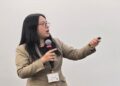
Today, Limud Darija, a language course led by sociologist and historian Yona Elfassi, is helping diaspora Moroccan Jews reclaim their ancestral tongue. The program also encourages participants to revive cultural practices and strengthen intergenerational bonds.
A Language Born from Shared History
Darija, spoken by Muslims in Morocco, and Judeo-Moroccan Arabic, historically spoken by Jews, share deep roots. Both evolved from the same vernacular. Judeo-Arabic, or al-‘arabiya diyalna (“our Arabic”), mirrored Darija while preserving a unique Jewish identity.
Judeo-Moroccan Arabic incorporated Hebrew and Aramaic words and had distinct phonetic features. It was written in the Hebrew alphabet for religious texts and letters. Meanwhile, Darija remained the lingua franca of Moroccan society, influenced by Amazigh (Berber), Spanish, and French.
Elfassi notes that Judeo-Arabic “reflected Moroccan society while keeping a unique voice” that connected Jews to their communities and heritage.
Reclaiming Lost Voices
Limud Darija now counts over 500 active members worldwide. Its mission goes beyond language lessons. The course helps participants reconnect with their roots, fosters resilience, and strengthens a sense of belonging.
Elfassi explains that his work is motivated by both research and personal identity. By teaching Darija, he helps diaspora Moroccan Jews reconcile with their ancestral language and connect with human stories that shaped their communities.
With doctorates in sociology and political science from Sciences Po Bordeaux and anthropology and history from Ben-Gurion University of the Negev, Elfassi has researched Jewish identity among Moroccan Jews across continents. His studies and experiences eventually led him to teach Darija as a living bridge to the past.
Bridging Communities Across Generations
Interestingly, the program has also inspired Moroccan Muslims. Some have shown interest in learning Hebrew to strengthen dialogue and cultural exchange. Elfassi created a WhatsApp group for teaching Hebrew to Muslim speakers of Darija. He emphasizes that this initiative is about living language and active connection, not just preserving heritage.
Through these exchanges, Limud Darija has become more than a class. It is a living bridge across history, religion, and geography. Participants don’t just learn words—they reclaim humor, music, and stories that once echoed in Moroccan synagogues and homes.
A Language of Memory and Identity
For diaspora Moroccan Jews, Darija is more than a dialect. It is a link to home, family, and identity. Every phrase learned, song sung, and story shared strengthens ties to the past.
Elfassi emphasizes that learning Darija allows people to understand shared history, reconnect with ancestors, and build connections across communities. Limud Darija ensures Moroccan Jewish culture thrives, honoring the past while embracing a vibrant future. Through language, history lives on.
By Meyer Harroch, New York Jewish Travel Guide

Meyer Harroch is the Founder and Publisher of the New York Jewish Travel Guide, documenting Jewish heritage, life, and culture worldwide while promoting tourism and global destinations.